

Uncategorized
A Different Conversation About Breast Health
Apr
Have you ever wondered if there’s more you could be doing to support your breast health, especially when the usual answers don’t feel like enough?
Recently, I had a heartfelt conversation with a friend about our personal journeys with breast health.
I shared my own experience living with fibrocystic breast tissue for over ten years, the uncertainty, the ongoing monitoring, and the many approaches I’ve explored alongside my medical team.
That conversation reminded me of something important:
Many women are still searching for answers, reassurance, and tools that help them feel more informed and empowered.
One tool that’s been part of my journey is thermography to support breast health.
What is thermography?
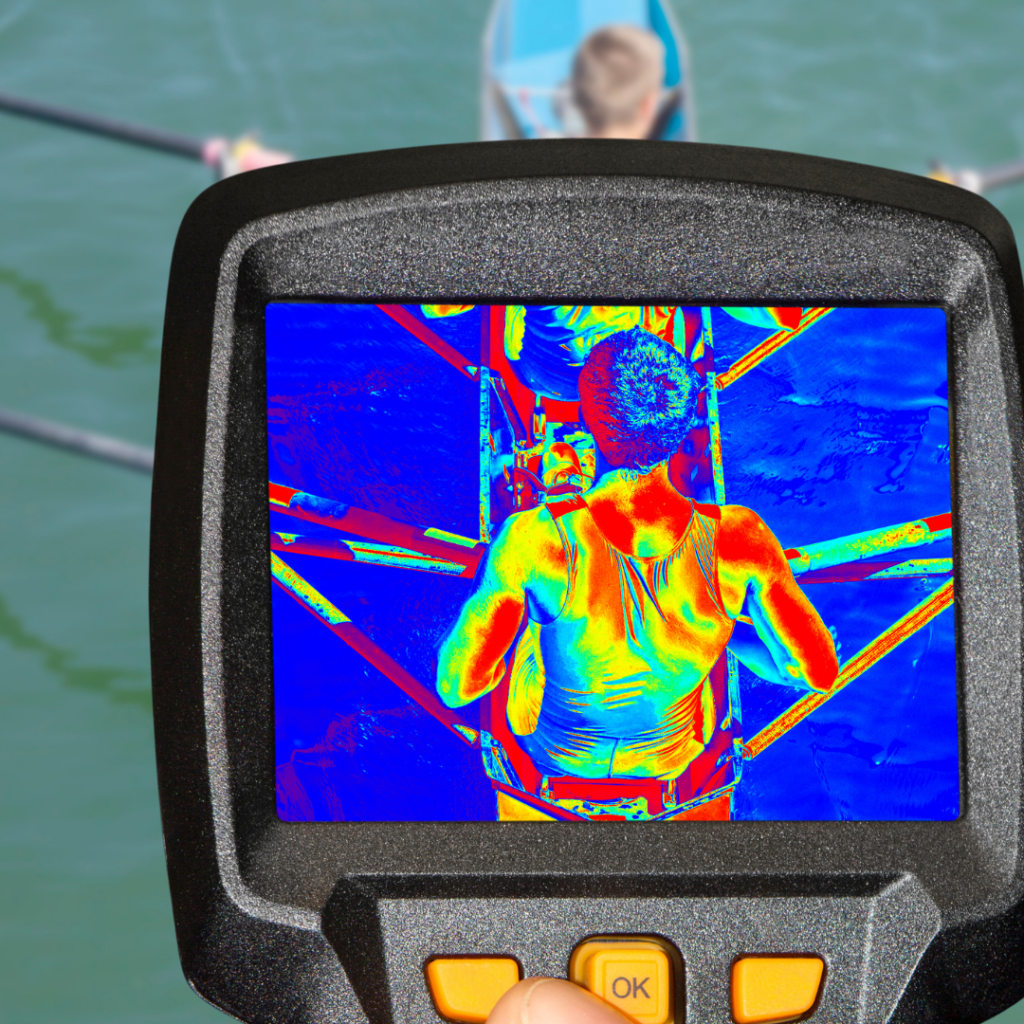
Thermography is a non-invasive imaging technology that uses a specialized camera to detect heat patterns and blood flow in the body.
Unlike traditional mammograms, it doesn’t involve radiation or compression. Instead, it scans the body’s surface temperature to identify areas that may show increased activity and warrant further attention.
After years of exploring this technology, here’s what I’ve learned.
What I like about thermography
- It’s gentle and completely pain-free, especially appealing if you have dense or sensitive breast tissue (something I know firsthand).
- It can sometimes identify changes in the body’s heat patterns before structural changes appear on other imaging tests.
- Some women use it as a complementary tool for early awareness.
What’s important to understand
- Thermography is NOT a replacement for mammograms or ultrasounds.
- It cannot diagnose cancer or other medical conditions.
- Think of it as one piece of a larger picture when it comes to staying proactive about your health.
For me, the real lesson has been this:
Breast health isn’t about relying on just one test or one solution. It’s about working with a trusted healthcare team, staying informed, and using the tools available to monitor changes in your body.
If thermography is something you’re curious about, do a little research and it’s worth having a conversation with your healthcare provider to see if it makes sense for you. (Please be aware that most healthcare practitioners are not familiar with this technology. That was my experience.
And above all, remember this: You know your body better than anyone. Listening to it is one of the most powerful health tools you have.
In Good Health,
Deon
DISCLAIMER: This information is not intended to provide medical advice. The purpose is to provide education and a broader understanding to my readers. Always seek the advice of your qualified healthcare provider before making any dietary or lifestyle changes. I do not recommend or prescribe, or recommend changing dosage or discontinuing, any prescription medications or pharmaceutical drugs.
