
Hormone balance, Hormones, Menopause Symptoms, Vaginal Dryness
Why Things Feel Different “Down There” (and What You Can Do About It)

Nov
Have you ever wondered why things just feel different down there as you move through your 40s and beyond?
You’re not alone.
Vaginal dryness is something so many women experience, yet it’s rarely talked about openly—even though it can impact everything from daily comfort to confidence on the yoga mat.
Why Does It Happen?
As estrogen naturally decreases with age—especially during perimenopause and menopause—the tissues in the vagina can become thinner, less lubricated, and more fragile.
This isn’t just a minor inconvenience. It can lead to:
- Itching or burning
- Discomfort during movement (yes, even during yoga!)
- Painful intimacy
- A general sense of dryness that can affect your confidence and well-being
The truth is, this is a completely normal part of the menopause journey, but because it’s not openly discussed, many women feel isolated or unsure of what to do.
What Can You Do About It?
The good news?
There are simple, natural ways to support your body and ease the discomfort of vaginal dryness.
Here are some tips to get you started:
Stay Hydrated

Drinking plenty of water helps keep your body (and tissues) hydrated from the inside out.
Aim for at least 8 glasses a day or twice you body weight in ounces (e.g. if you are 100 pounds, drink 50 ounces), and consider adding hydrating foods like cucumbers, watermelon, and leafy greens to your meals.
Choose Gentle Products
Harsh soaps and fragranced products can irritate already sensitive tissues. Opt for fragrance-free, pH-balanced cleansers to keep things calm and comfortable.
Incorporate Healthy Fats
Foods rich in healthy fats—like avocado, olive oil, nuts, and seeds—can support your body’s natural lubrication and overall tissue health.
Bonus: they’re great for your skin, too!
Try Water-Based Lubricants
For added comfort during intimacy or daily life, water-based lubricants can be a game-changer. Look for ones that are free from parabens and glycerin to avoid irritation.
Move Your Body

Regular movement, especially yoga, can increase circulation to the pelvic area and promote overall pelvic health. Gentle stretches, hip openers, and breathwork can also help you feel more connected to your body.
Seek Professional Support When Needed
If dryness persists or becomes more intense, don’t hesitate to reach out to a healthcare provider who specializes in menopause and women’s health. They can recommend treatments like vaginal moisturizers, estrogen creams, or other options tailored to your needs.
Let’s Normalize the Conversation
Here’s the thing: vaginal dryness isnothing to be ashamed of.
It’s a natural part of life, and the more we talk about it, the easier it becomes to find solutions and support.
If you’ve noticed these changes, remember—you’re not alone. There are simple, effective ways to feel more comfortable and confident in your body.
Join Me for Gentle Yoga + Wellness Tips
I’ll be sharing more tips and gentle movement practices in our upcoming yoga sessions, designed specifically for women navigating menopause and beyond. It’s a welcoming space to move, breathe, and connect with others who get it.
Reserve your spot for the next free online yoga class here: Grab my free class
Let’s take this journey together—because menopause doesn’t have to mean discomfort. It can be a time of empowerment, connection, and thriving in your body.
In Good Health,
DISCLAIMER: This information is not intended to provide medical advice. The purpose is to provide education and a broader understanding to my readers. Always seek the advice of your qualified healthcare provider before making any dietary or lifestyle changes. I do not recommend or prescribe, or recommend changing dosage or discontinuing, any prescription medications or pharmaceutical drugs.
Let’s Connect on Social
Instagram://https://www.instagram.com/balancebeyond40/
Facebook:https://www.facebook.com/groups/navigatingmenopausewithconfidence
Facebook: https://www.facebook.com/Balancebeyond40
Youtube: https://www.youtube.com/@Balancebeyond40
FREE RESOURCES
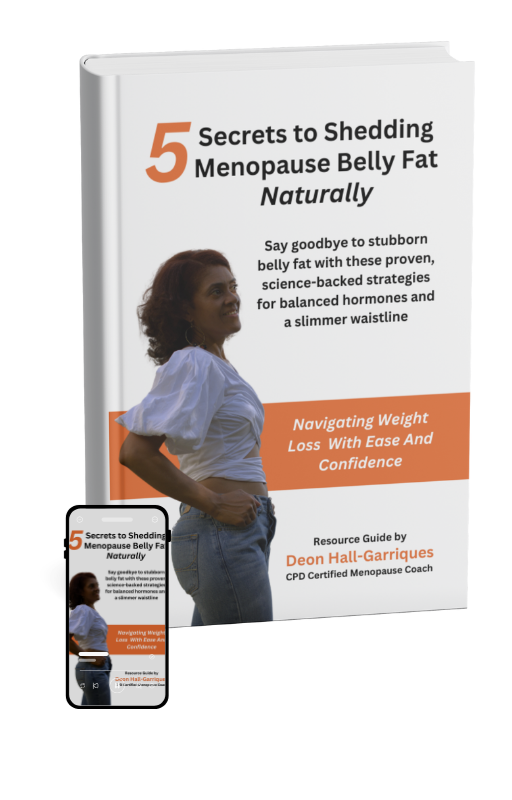
- Download your FREE Guide: 5 Secrets to Shedding Menopause Belly Fat Naturally
- Sign Up for a Free Yoga Class
- Join My Private FB Group for Hormonal Support
