Bone Health, bone loss, Estrogen, Exercise, Hormonal imbalance, Hormones, Lifestyle, menopause, osteopenia, Osteoporosis
🦴Your Bones Are Keeping Score
Oct
When I sat down to review my DEXA scan results, I expected to reassurance.
I’ve practiced yoga for more than twenty years, I teach it, and I move my body regularly. If anyone had their bones covered, I assumed it was me.
The results told a different story. They weren’t what I expected, and they were a clear wake-up call that my bones needed more attention than I’d been giving them.
It was humbling.
It also showed me that being active isn’t the same as giving your bones what they need in midlife.
I had to look honestly at where my routine was falling short and what needed to change.
I’m sharing this because if it can surprise me, it can surprise you too.
Getting older brings real gifts: perspective, confidence, and a clearer sense of what matters.
It also brings challenges we don’t talk about enough.
One of the most significant is happening silently inside your body: the loss of bone density.
As estrogen declines through perimenopause and menopause, bone loss accelerates. That leaves many women at risk of osteopenia, which is bone density below normal but not yet osteoporosis. It also raises the risk of osteoporosis itself, which the International Osteoporosis Foundation defines as a disease that makes bones weak and fragile.
Osteoporosis often reveals itself only when a bone breaks. Globally, one in three women aged 50 and older will experience an osteoporotic fracture, which can lead to chronic pain and long-term disability.
Here is what I want you to hear.
Your bone health is not a someday conversation. Movement in midlife is non-negotiable, and waiting until you feel ready, until work slows down, or until the new year is a choice your future self will feel.
The good news is that there are real, practical steps you can take starting this week to protect your bones, reduce your risk of falls and fractures, and stay strong, mobile, and independent for decades to come.
Start here:
1. Move, and get loaded
The most protective approach combines three types of exercise: weight-bearing, strength training, and balance work.
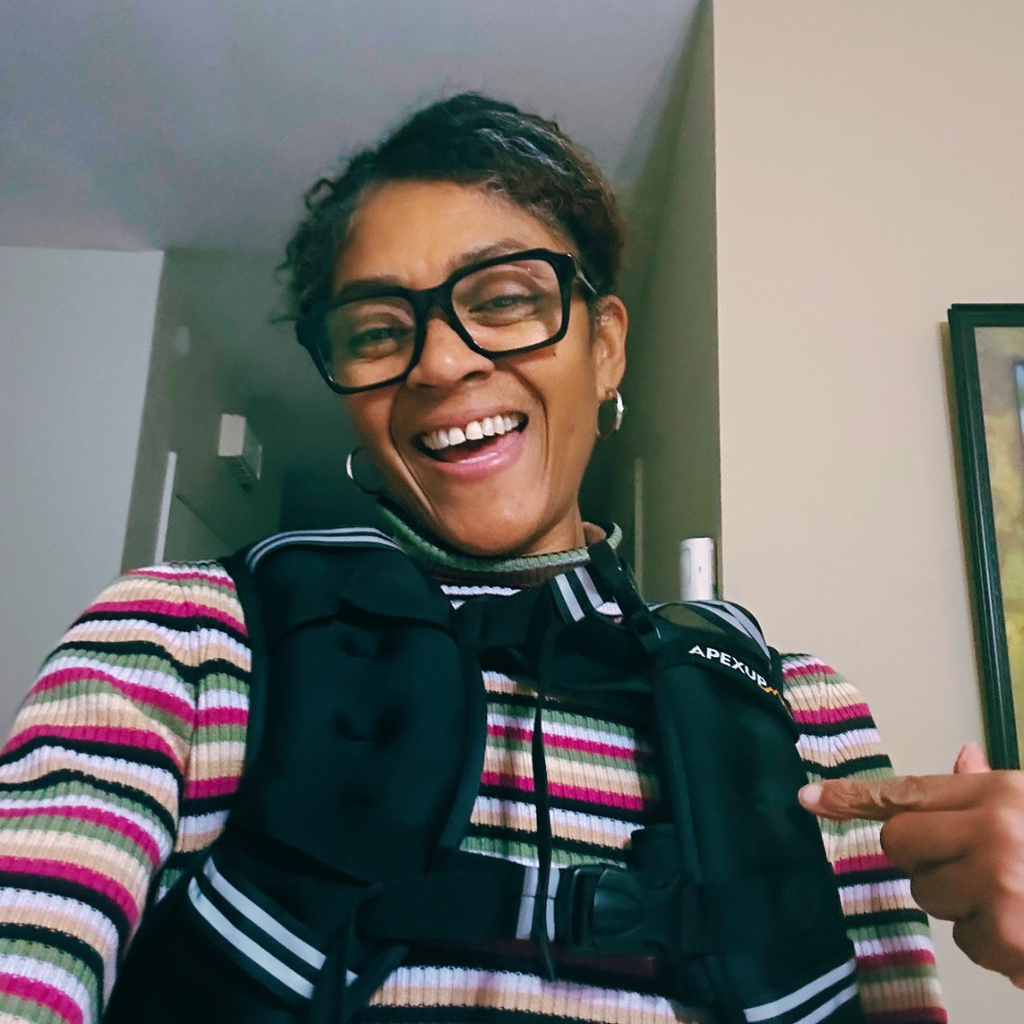
Weight-bearing exercise means you’re on your feet, working against gravity. Brisk walking, light jogging, hiking, and dancing all count. I also have a weighted vest that I wear aroud the house or walking outdoors. The recommended vest weight is about 10% of your body weight (e.g, if you are 100lbs you vest should be 10lbs). Zumba is one of my favorite ways to move, and I was elated to discover it counts as weight-bearing too.
Strength training builds both muscle and bone. You can use free weights, machines, or your own body weight through squats, lunges, and push-ups. Pay special attention to your hips and spine, the areas most vulnerable to fracture, and aim for two to three sessions a week.
Balance training is your fall-prevention insurance. Yoga 9shout out to my yoga tribe 😍) and tai chi improve balance, coordination, and body awareness. Over time, that translates into fewer falls and greater confidence in how you move.
2. Nourish your bones
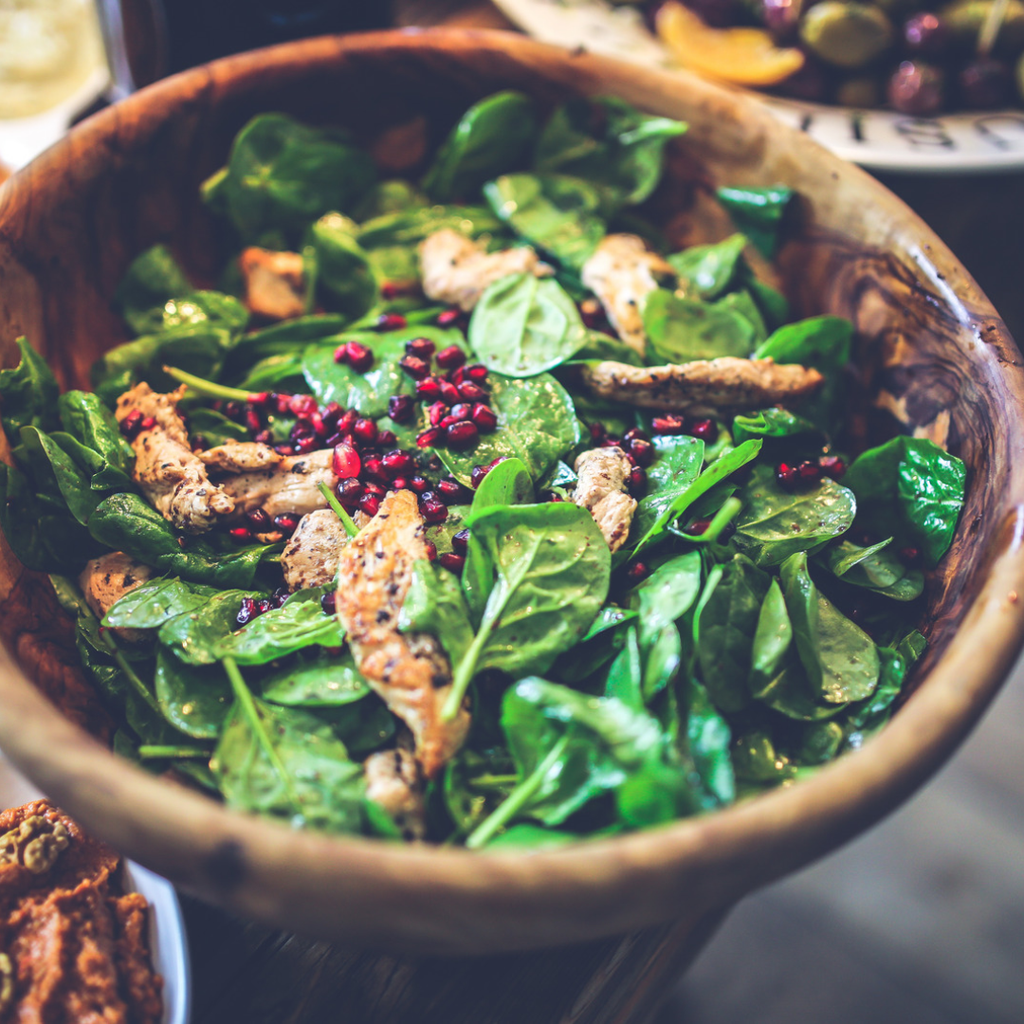
For women over 50, the recommended daily calcium intake is 1,200 mg. Good sources include dairy, fortified plant-based milks, leafy greens, and almonds. Food first, with supplements only to fill a gap.
Vitamin D helps your body absorb that calcium. The National Institutes of Health (NIH) recommends 800-1,000 IU daily for women over 50. You can also get it from safe sun exposure, fatty fish, egg yolks, or a supplement your doctor recommends.
Magnesium, from nuts, seeds, and whole grains, and vitamin K, from spinach and kale, also support bone health.
Adequate protein preserves the muscle that protects your bones, so include lean meats, fish, eggs, beans, or tofu at each meal.
A varied diet also provides nutrients such as magnesium and vitamin K. Think leafy greens, nuts, seeds, beans, and whole grains.
3. Protect your progress with daily habits
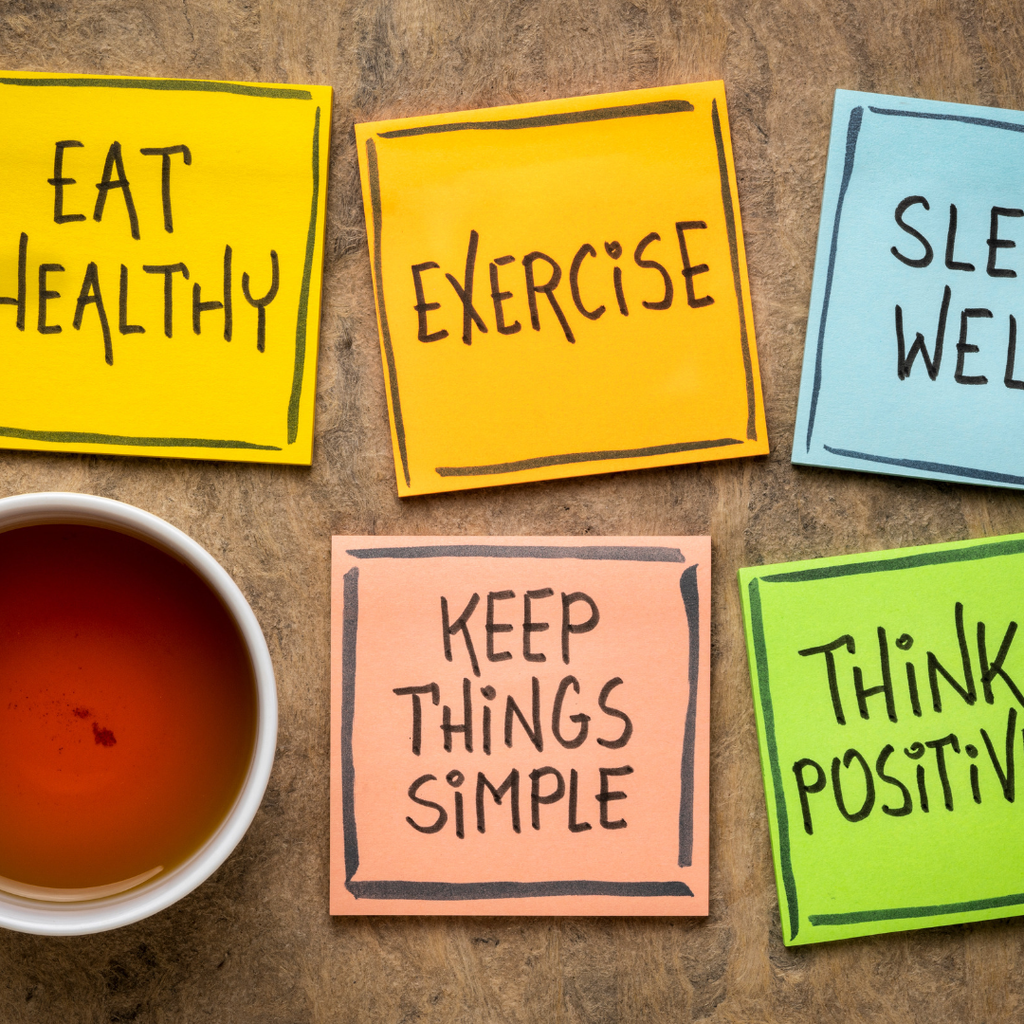
Maintain a healthy body weight, avoid smoking, and keep alcohol moderate, since heavy drinking interferes with your body’s ability to absorb calcium and build bone.
4. Get tested. Know your number
The gold standard for measuring bone health is a DEXA scan. It’s a quick, low-dose X-ray that measures bone mineral density, usually at the hip and spine. It’s painless and typically takes 10 to 20 minutes, and it requires no fasting.
Your results come back as a T-score, which compares your bone density to that of a healthy 30-year-old.
Here’s how to read it:
−2.5 or lower: osteoporosis, even if you’ve never broken a bone
−1.0 or higher: normal bone density. Between −1.0 and −2.5: low bone density, or osteopenia. This is your signal to act now.
5. Know your risk factors
Some risk factors are out of our control. They include:
- Being over age 50
- Being female
- In menopause
- A family history of osteoporosis
- A small and thin frame
- History of broken bones or height loss.
Other risk factors include:
- Women who go through menopause before age 40 face a higher fracture risk as do women who have had their ovaries removed.
- Certain conditions like rheumatoid arthritis and medications such as long-term steroids can also weaken bone.
If any of these apply to you, you should discuss them with your doctor.
Your future self is worth caring for today.
You don’t have to change everything this week.
Start with one step: schedule a strength session, add a calcium-rich food to your meals, or ask your healthcare provider about your bone health.
Midlife is a time to understand your body and give it the support it needs to keep carrying you forward.
P.S. Have questions or comment about this article? Reply back directly to this email, happy to help!
Source: National Osteoporosis Foundation, National Institutes of Health for women over 50, National Institutes of Health
In Good Health,
Deon
Deon is the founder of Balance Beyond 40, a National Board Certified Health & Wellness Coach, certified yoga instructor, and menopause coach. She helps women over 40 navigate midlife, build strength, improve mobility, increase their energy, and create healthy habits that last. Deon combines personalized wellness coaching with yoga and functional movement to help you feel stronger, move better, and age with confidence one step at a time.
DISCLAIMER: This information is not intended to provide medical advice. The purpose is to provide education and a broader understanding to my readers. Always seek the advice of your qualified healthcare provider before making any dietary or lifestyle changes. I do not recommend or prescribe, or recommend changing dosage or discontinuing, any prescription medications or pharmaceutical drugs.
